The Master Perfumer's Black Wood No 28 is a competent oud-lite with a heavy allergen load
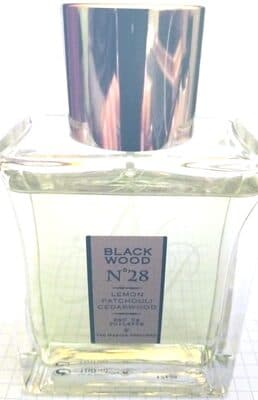
Black Wood No 28 is a perfectly competent smoky-woods fragrance wrapped in a formula that's surprisingly busy for what should be a simple alcohol-and-parfum proposition. It works, but it's not doing anything you can't get elsewhere — often for less, and often with fewer flags.
What it is
An alcohol-based fragrance positioned in the dark-woods, oud-adjacent category. The Master Perfumer is one of several brands trading in mid-priced 'inspired by' niche scents, and the No 28 naming convention slots this into a numbered house lineup. The concentration isn't specified on the INCI we pulled, but the formula structure reads like an EDT or light EDP.
What's in the bottle
The carrier is textbook: alcohol denat. and aqua doing the dispersing work for the parfum oil. That's how nearly every Western fragrance is built. What stands out is the inclusion of three UV filters high in the list — butyl methoxydibenzoylmethane (avobenzone), ethylhexyl methoxycinnamate (octinoxate), and ethylhexyl salicylate. These aren't there to protect skin; they're there to keep the fragrance oils and dyes from photo-degrading and turning the juice brown on a backlit shelf. It's a reasonable shelf-life choice, but octinoxate in particular is a known endocrine-disruption concern in the regulatory conversation and is banned in some sunscreen contexts in Hawaii and Key West. Worth knowing if you avoid it elsewhere in your routine.
The allergen declaration is long: alpha-isomethyl ionone, citral, citronellol, coumarin, geraniol, hydroxycitronellal, limonene, and linalool. Eight of the EU's 26 named fragrance allergens in a single formula is on the higher end of what you see in mid-market scents. Hydroxycitronellal is one of the more notorious sensitizers on that list — common enough as a positive on dermatology patch panels that the EU has tightened its allowed concentrations. Coumarin and oxidized linalool/limonene round out the higher-risk picks. The three dyes (CI 17200 red, CI 42090 blue, CI 19140 yellow) are purely cosmetic and presumably tint the juice an amber or tobacco shade.
Who it's for
If you wear fragrance regularly without issues and want a dark, woody scent in the mid-tier price range, this is a reasonable pick. The coumarin and ionone presence suggests a sweetened, slightly powdery wood profile with decent base-note longevity.
Skip it if you have reactive skin, eczema, or a history of contact dermatitis from fragrance. Denatured alcohol plus eight declared allergens plus three UV filters plus three azo/triarylmethane dyes is a lot of potential triggers in one spray. Patch test on the inside of the elbow for 48 hours before committing to neck or wrist application, and avoid spraying directly onto skin that will see strong sun — citrus-derived allergens like citral can be mildly photoreactive.
The verdict
Black Wood No 28 isn't bad — it's just unremarkable, and the ingredient deck is busier than it needs to be. The allergen load is high, the octinoxate inclusion is a real flag for shoppers who avoid it, and the dye trio is there for looks rather than performance. If the scent itself genuinely moves you, it's a fine buy. If you're picking it up because the bottle looks expensive, there are cleaner-formulated woody fragrances at similar prices doing the same job with half the warning labels.
Discussion
0 comments- No comments yet.