REMEDY CALAZIME Skin Protectant Paste is a medical-aisle product trying to moonlight as skincare
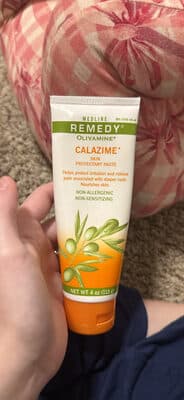
CALAZIME is one of those clinical-channel products that shows up in nursing homes and hospital supply closets, not on bathroom shelves — and that context matters before you judge the formula. As a skin protectant paste for caregivers managing perineal skin breakdown, chafing, or minor irritation, it's serviceable. As anything resembling a face or general body skincare product, it's a confusing mess. Notably, despite the 'skin protectant' positioning, the verified INCI contains no zinc oxide or other monograph skin-protectant active — the barrier function comes entirely from beeswax and plant oils.
What it is
REMEDY (made by Medline) markets CALAZIME as a skin protectant paste. The intent is similar to a zinc oxide barrier cream: a thick, occlusive layer meant to shield compromised skin from moisture and friction, typically used for incontinence-associated dermatitis, adult diaper rash, and friction zones.
The marketing twist is the antioxidant complex — ascorbic acid, tocopherol, niacinamide, pyridoxine (B6), cholecalciferol (D3), amino acids (glycine, proline, taurine), MSM, olive leaf, and hydroxytyrosol — bolted onto what's fundamentally a wax-and-oil paste. Whether any of that survives or penetrates from a heavy anhydrous base is doubtful.
Key ingredients
Beeswax plus the safflower, sunflower, and olive oil blend form the occlusive backbone. Tapioca starch helps absorb moisture, which is genuinely useful in the intended clinical setting. Niacinamide and aloe are reasonable additions for irritated skin, and PEG-8 likely helps disperse the water-soluble actives into the oil matrix.
The antioxidant stack reads impressively but the chemistry is awkward: free ascorbic acid in an anhydrous wax base typically can't dissolve, ionize, or remain stable — it's largely decorative here. Ascorbyl palmitate is the more sensible oil-soluble vitamin C choice, though its topical efficacy data is weak. Retinyl palmitate is a low-potency retinoid that does little on intact skin and even less on broken skin. Cholecalciferol and the free amino acids are label flourishes with no meaningful topical evidence.
More concerning: orange, grapefruit, and tangerine peel oils all appear on the INCI. These are fragrant citrus oils carrying limonene and, in the case of expressed grapefruit and orange peel, documented phototoxic furocoumarins. Putting them in a paste meant for broken, inflamed, occluded skin is a real formulation oversight. Ethyl vanillin adds further fragrance load. Methylparaben is the sole preservative listed, which is fine on its own but worth flagging for anyone avoiding parabens.
Who it's for
Caregivers and patients looking for a barrier paste for incontinence dermatitis or chafing will find it functional — though true zinc oxide pastes (Calmoseptine, Desitin Maximum Strength, or generic 40% zinc oxide) are cheaper, fragrance-free, and better validated for the same use. Skip it if you have sensitive skin, fragrance allergies, or were considering it as a general moisturizer or 'antioxidant treatment.' It's not formulated for the face, and the citrus peel oil content makes it a poor fit anywhere sun-exposed.
The verdict
CALAZIME performs the basic job of a barrier paste, but it does so without an actual skin-protectant active, the kitchen-sink antioxidant deck reads as marketing dressed up as formulation, and three citrus peel oils plus ethyl vanillin are a meaningful demerit on a product intended for irritated skin. If you need a skin protectant, a straightforward zinc oxide paste is a better, cleaner choice. If you want antioxidants, buy an actual serum.
Discussion
0 comments- No comments yet.