This 'RETINOL' cream buries the active behind mineral oil, parabens, and fragrance
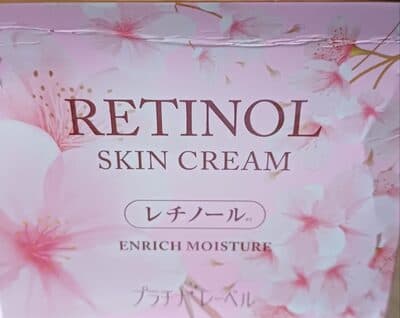
A cream sold under the literal name 'RETINOL Skin Cream' sets a clear expectation: deliver a meaningful dose of retinol. This one almost certainly doesn't. The verified INCI confirms retinol sits 28th on the list, buried behind mineral oil, a ferment filtrate, a long amino acid stack, royal jelly, platinum powder, rose water, and hydrolyzed elastin and collagen. The supporting cast is a confused mix of legitimately useful ceramides and antioxidants alongside filler theatrics.
What it is
This is a moisturizer positioned as an anti-aging cream, marketed around retinol as the hero ingredient. The brand name is identical to the active, which is a red flag in itself — established skincare brands don't typically name themselves after a single molecule. There's no concentration disclosed, and nothing in the packaging materials suggests the opaque, airless dispensing that retinol needs to stay stable against light and oxygen.
Key ingredients
Retinol appears 28th on the INCI, after water, butylene glycol, mineral oil, cetearyl alcohol, glycerin, isopropyl palmitate, Saccharomyces/rice ferment filtrate, sodium PCA, a dozen amino acids, soybean germ extract, royal jelly, platinum powder, rose water, hydrolyzed elastin, hydrolyzed collagen, and sodium hyaluronate. By the standard 1% rule of INCI ordering — everything past the preservative is typically under ~1% — retinol is almost certainly well below the 0.1–0.3% range where published studies show measurable wrinkle and texture benefits. Gold and silver are listed immediately after it, which tells you the retinol dose is in trace-cosmetic territory.
There are legitimately good ingredients here. Ceramides NP, AP, and EOP alongside phytosphingosine and cholesterol form a respectable barrier-support complex, and the order of those ceramides (right after retinol) is encouraging on paper. Sodium hyaluronate, glycerin, sodium PCA, and the amino acid blend are solid humectants. Tocopherol, magnesium ascorbyl phosphate (a stable vitamin C derivative), and ubiquinone (CoQ10) are reasonable antioxidants — though all three appear after the preservatives, so they're present in token amounts.
The problems are avoidable. Fragrance is the very last ingredient, which on a product already containing retinol is an unnecessary irritant risk. Methylparaben is in there too — not dangerous, but an outdated choice given how many sensitizer-conscious 2020s formulas have moved on. Gold, silver, and platinum powder do nothing for skin at topical concentrations; they're marketing. Mineral oil isn't harmful but is unusual this high up in a 'retinol' product positioned as premium.
Who should skip it
Anyone shopping specifically for a retinol cream should look elsewhere — the dose here is too low to produce the effects retinol is bought for. People with fragrance-sensitive or reactive skin should also skip it. If you just want a ceramide-rich moisturizer, CeraVe Moisturizing Cream, La Roche-Posay Toleriane Double Repair, or Dr. Jart Ceramidin will do the job without the fragrance or the retinol pretense.
The verdict
This reads like a contract-manufactured 'everything cream' wearing a retinol costume. The ceramide and antioxidant content keep it from being actively bad as a basic moisturizer, but as a retinol product — which is how it's named and presumably priced — it underdelivers. For genuine retinol results, a dedicated formula from The Ordinary, La Roche-Posay Retinol B3, CeraVe Resurfacing Retinol, or adapalene 0.1% (Differin) will do more for less. Pass.
Discussion
0 comments- No comments yet.